
AMKA Academy / Training Programmes
Practical in-house training for maintenance teams.
Delivered on your site, against your own assets, for the people who hold the camera between professional surveys. Start with what participants must be able to do afterwards, then compare the practical format, operating context and boundaries for that track.
These are practical upskilling programmes. They issue certificates of attendance and are not a Level 1 or Level 2 certification pathway — if a formal credential is what your situation needs, we will say so and point you elsewhere.
Programme routeCapability first
Required outcomeA task people must understand, practise, and perform
The selected track controls the offers, evidence, preparation, and enquiry context below.
One selector · two distinct learning routes
Choose a track
Show the route that matches the work.
01 / Technical capability
Electrical condition knowledge shaped by field practice.
Choose the depth according to what the team must understand, observe, or practise around electrical condition evidence.
2 days · Attendance certificate
Electrical Thermography
Theory plus guided practical work in camera operation, emissivity, load requirements, image interpretation, severity rating, and reporting.
Fits when: the team must capture useful thermal evidence and recognise when a finding needs escalation.
Discuss this programme →2 days · Attendance certificate
Partial Discharge Practical
PD physics, TEV and ultrasound instrument operation, measurement technique, pattern recognition, and severity assessment for live MV/HV systems.
Fits when: the team must understand PD risk, take guided measurements, and know where specialist judgment begins.
Discuss this programme →Half day · No certificate
EHA / CBM Awareness Talk
A management and team briefing on condition-based maintenance, what live diagnostics can and cannot establish, and how condition evidence supports planning.
Fits when: people first need a shared understanding before deciding whether an assessment or deeper programme is justified.
Discuss this programme →Considering in-house diagnostics? Read how to draw the boundary between team tasks and specialists →
01 / Digital operations
Working sessions for systems the client actually operates.
These are short client-system sessions, not standalone Digital courses. Each one uses the client’s own AMKA-delivered operating context.
Approx. 2 hours · No certificate
System Operations Session
Hands-on guidance for the agreed records, pipeline stages, routines, dashboards, or automations inside an AMKA-built operational system.
Fits when: the client team must run day-to-day workflows correctly after system setup or handover.
Discuss this session →Approx. 2 hours · No certificate
Website Operations Session
Hands-on guidance for custody clients covering content preparation, update requests, and reading the site information available to the client team.
Fits when: the team must work effectively with the custody process without taking over AMKA’s source or deployment responsibilities.
Discuss this session →02 / Formats & boundaries
Practical upskilling, never certification or authorisation.
Public sessions
Open enrolment when a cohort is confirmed.
The two-day courses can run publicly once the minimum group is reached, combining classroom explanation with guided work on real instruments.
In-house cohorts
Shaped around the client’s context.
Delivery can use the client’s assets where safe access allows. Venue, supervision, practical boundaries, and classroom fallback are confirmed before delivery.
The honest boundary
Attendance is not certification.
The two-day courses issue attendance certificates only. Training authorises nobody to switch, isolate, or work on energised equipment.
02 / Formats & boundaries
A working session around the agreed operating layer.
Client context
Use the system the team already has.
The session works through agreed routines in the client’s own AMKA-built system or custody workflow rather than teaching a generic software syllabus.
No double charge
Setup inclusions are checked first.
If a System Operations session is already included in the original implementation setup, AMKA does not charge the same first session again.
The honest boundary
Training is not ongoing support.
Course-content clarification lasts 14 days. System fixes route to Digital Care or a quoted scope; content production routes to the relevant add-on.
03 / Tools & practical context
Practise with real diagnostic instruments.
Thermal imaging
FLIR cameras
Professional thermal cameras for guided measurement, image capture, and reporting exercises.
Partial discharge
UltraTEV Plus 2
EA Technology equipment for guided TEV and ultrasound measurement and pattern discussion.
Between specialist visits
Equipment rental
Thermal equipment rental is a separate Engineering offer for suitable teams continuing basic screening after training.
03 / Operating context
Keep the two sessions distinct.
Operate the business workflow.
Records, pipeline stages, assigned routines, dashboards, and agreed automations in an AMKA-built operational system.
Operate the client side of custody.
Content preparation, update requests, and the website information available to the client team; AMKA retains source, deployment, and custody responsibilities.
04 / In-house delivery
Shaped to the work the team actually does.
Tell AMKA the capability gap, participant roles, site context, and safe practical conditions. Delivery stays inside the adopted programme boundaries.
- 01
Team size, roles, current capability, and the work expected after training.
- 02
Voltage levels, equipment types, access constraints, and instruments available.
- 03
Preferred timing, location, and whether safe practical access or classroom fallback applies.
04 / Working-session preparation
Bring the real routine and the people who own it.
AMKA confirms the exact system, access level, existing documentation, and operating tasks before the session.
- 01
Which AMKA-built system or custody website the team operates.
- 02
Participant roles, access permissions, and routines they must perform.
- 03
Known questions, recent errors, and the boundary between training and corrective work.
05 / Delivery evidence
Field practice sits behind the technical track.
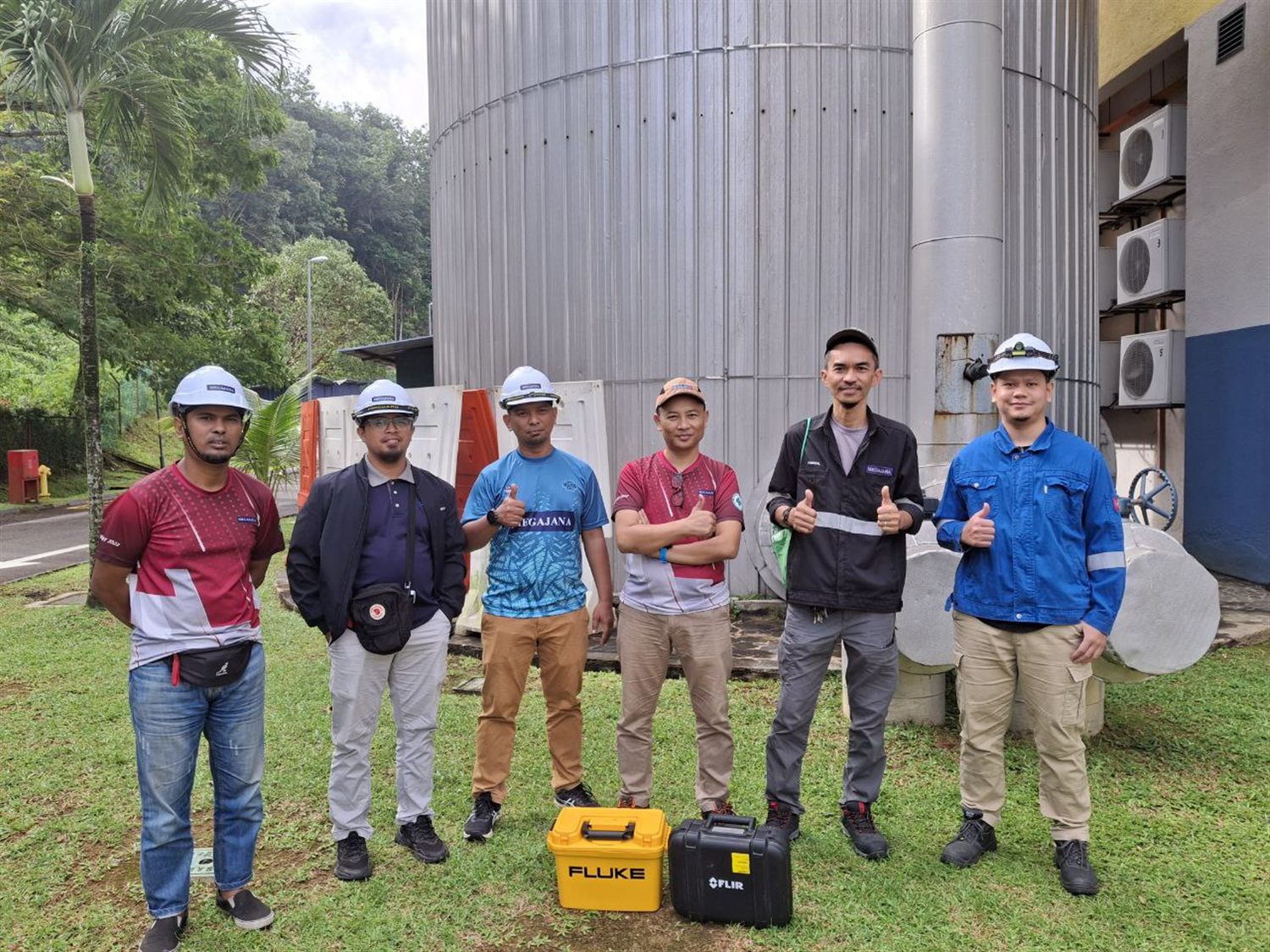
DeliveredPendinginan Megajana, Cyberjaya (2025) — practical thermography and PD delivery for the in-house team.
Instructor basisLevel 1 Thermography, PD Level 1 (April 2024), and 33kV Competent Person field practice support the teaching context.
Certificate boundaryAttendance certificates for the two-day courses only; none of the programmes is a Level 1 or Level 2 certification pathway.
05 / Delivery evidence
Operating sessions come from delivery and handover work.
System Operations
Proven inside system implementation.
The working-session method is already used during AMKA system setup and handover. A separate session is used only for additional or standalone needs.
Website Operations
Built from the custody handover.
This is a new Academy session derived from the documented custody operating model. It is ready to deliver but is not presented as having standalone sales evidence yet.
Control
Operate the client layer, not AMKA’s source platform.
The session teaches the responsibilities the client actually holds; it does not imply source transfer, deployment access, or unlimited support.
Before you decide